
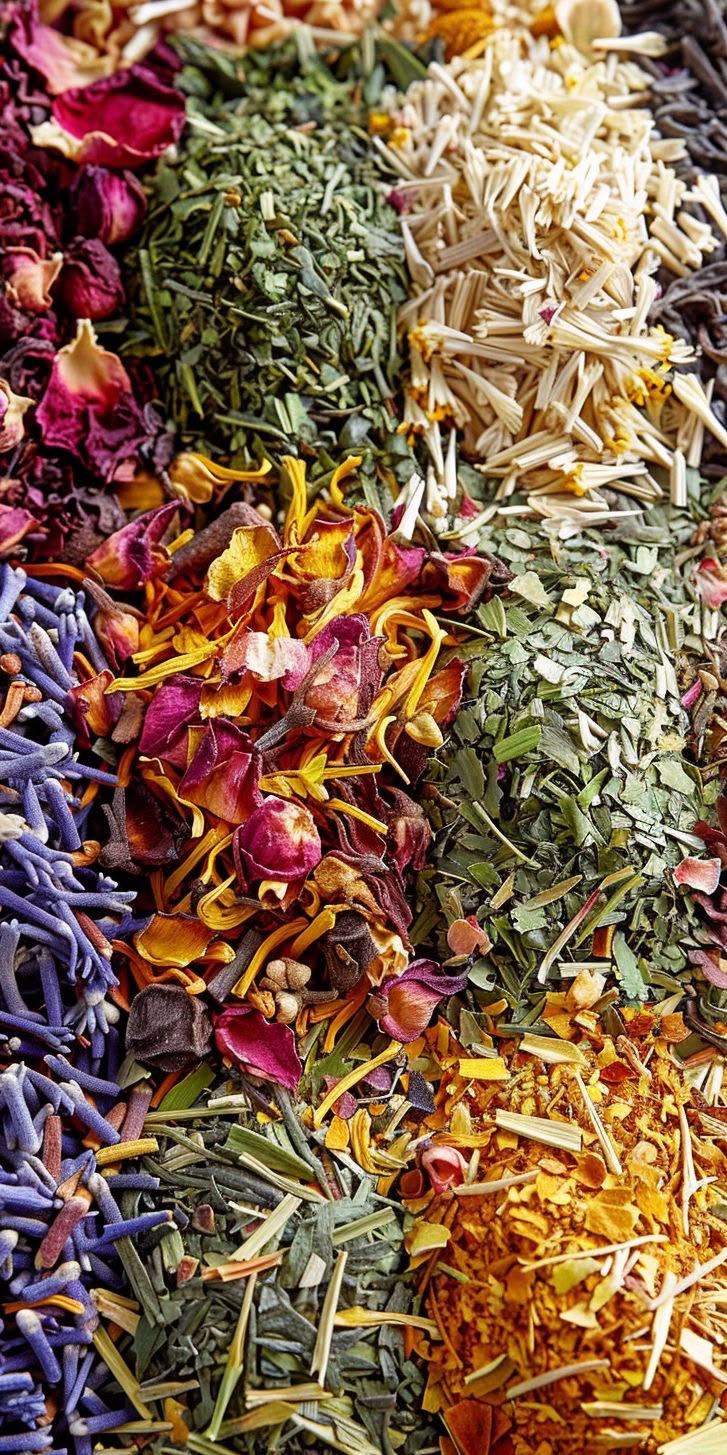
What is herbalism?
Herbalism is the practice of using plants to support health and well-being. At its heart, it’s about building a relationship with the plants themselves—learning their rhythms, respecting their healing properties, and exploring the many ways each plant can be used. Instead of relying on a single herb for a single problem, herbalism teaches us to understand and steward plants so they can support us in countless ways over time.
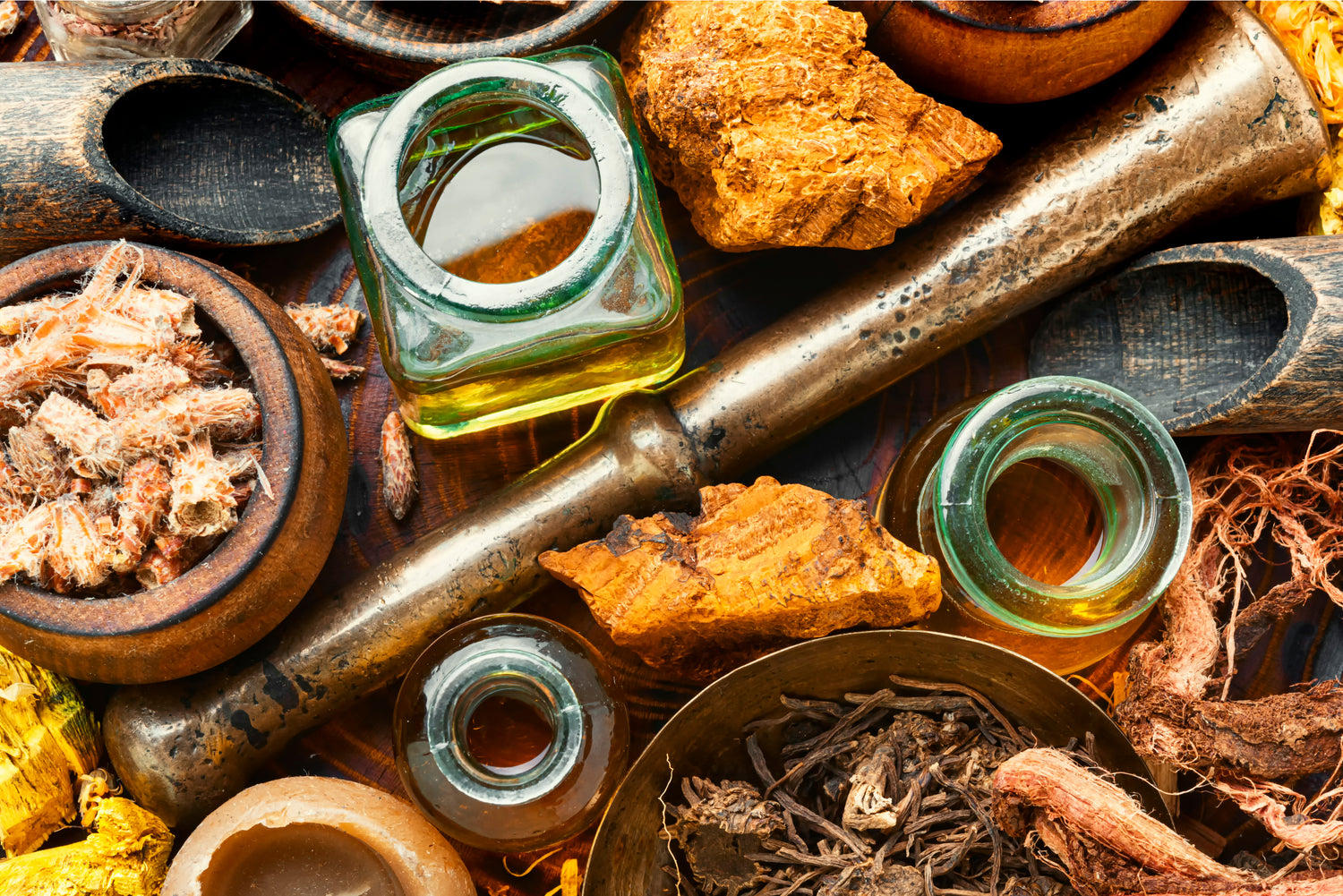
How Does Herbalism Actually Work?
Every herbal system—whether it’s Traditional Chinese Medicine, Ayurveda, or Western Herbalism—relies on something called Energetics. Fancy word, simple idea: herbs have vibes, sensations, and patterns that tell us how they’ll affect your body and mind.
Your senses are your guide. Smell, taste, touch—these help you notice patterns in yourself, the world, and the plants. By tuning into those patterns, herbalists pick the herbs that will best support you, then blend them into formulas designed to restore balance and keep your body and mind humming.
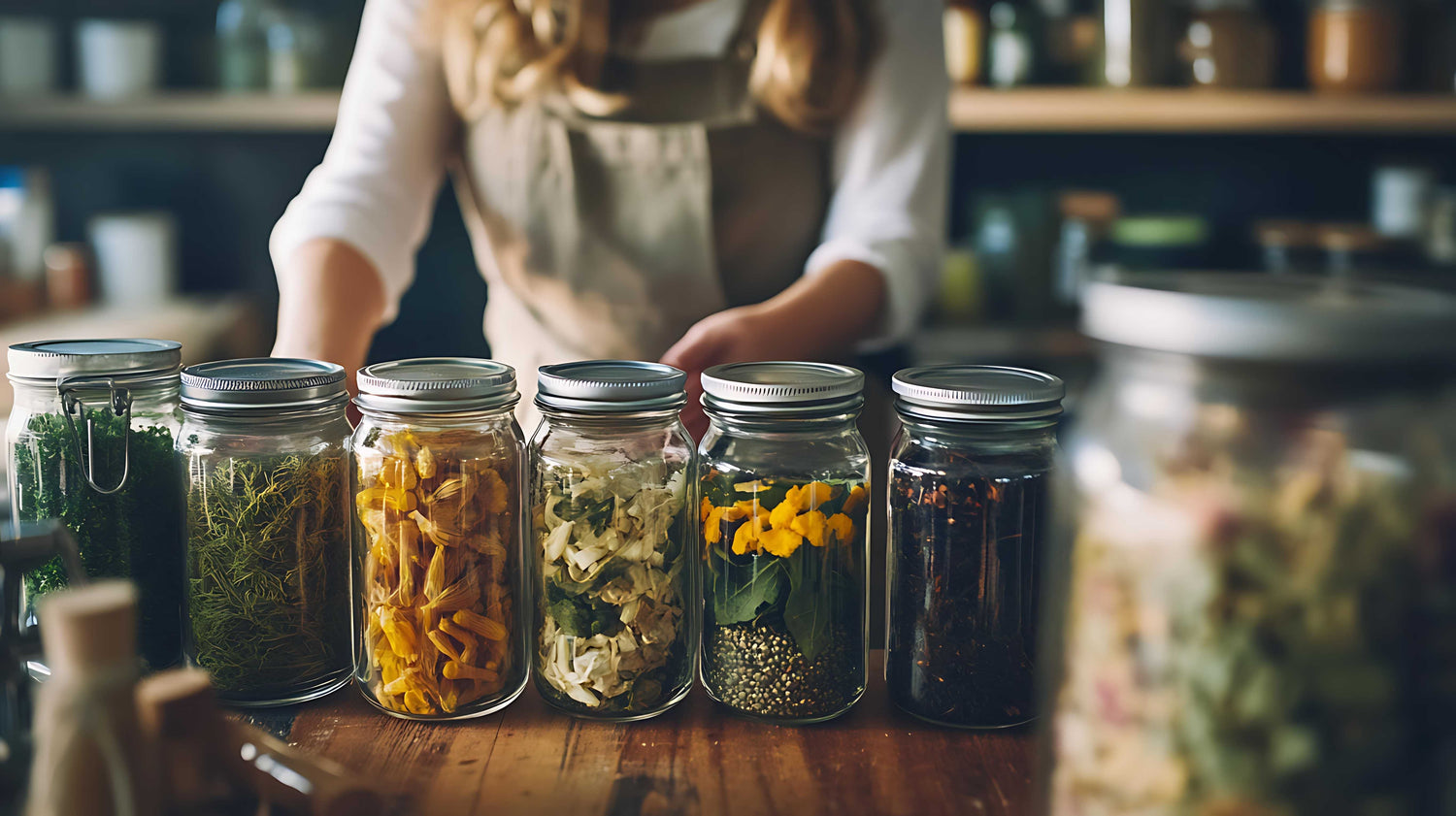
Who is an Herbalist?
Spoiler: you probably already are. Anyone who eats, drinks, grows, gathers, smells, or makes medicine from plants to support health is an herbalist. No certificates required, just curiosity and care.
Professional herbalists exist too. Clinical herbalists work with chronic issues (sometimes alongside doctors), community herbalists help folks get cozy with everyday plants, and medicine makers create teas, tinctures, salves, powders, and more so people anywhere can get the herbal support they need.

Spring
Spring is associated with the liver and gallbladder—organs of movement, detoxification, and renewal. As the world thaws and things start to flow again, this is a time to support the body in clearing stagnation, gently stimulating digestion, and encouraging emotional release and fresh starts.


Late Summer / Early Autumn
Late summer is linked to the digestive system—especially the spleen and stomach in traditional frameworks. This is a time to ground, nourish, and stabilize, supporting digestion, energy production, and a sense of centeredness as the seasons begin to shift.

Winter
Winter is associated with the kidneys and nervous system, our deepest reserves of energy and resilience. This is a time for rest, repair, and conservation—supporting adrenal health, replenishing vitality, and leaning into stillness so the body can restore itself at a foundational level.